

Global EcoPower & Energy Matrix Intelligence Network
Global EcoPower & Energy Matrix Intelligence Network (EPEM) is a professional B2B energy information and industry intelligence platform focused on renewable power generation, grid modernization, energy storage, electric vehicle charging infrastructure, distributed energy systems, and low-carbon energy project development. The platform is designed for energy developers, grid operators, EPC contractors, utility companies, renewable equipment manufacturers, investors, engineering consultants, project owners, and procurement decision-makers who need structured and practical information about the global energy transition.
EPEM focuses on the technologies and market forces reshaping the modern power system. The energy industry is moving from centralized fossil-fuel generation toward a more flexible, distributed, digital, and renewable-based structure. Solar PV plants, wind power projects, battery energy storage systems, EV charging networks, microgrids, smart meters, inverters, transformers, grid control systems, and digital energy platforms are becoming critical parts of power infrastructure. EPEM helps business users understand these changes from both technical and commercial perspectives.
The platform covers solar photovoltaic modules, inverters, mounting systems, trackers, balance-of-system components, utility-scale solar plants, rooftop solar systems, floating PV, agrivoltaics, and solar-plus-storage projects. It also follows battery energy storage systems, lithium-ion batteries, sodium-ion batteries, flow batteries, containerized storage units, power conversion systems, battery management systems, thermal management, fire safety, project integration, and long-duration storage technologies.
In EV infrastructure, EPEM covers AC charging, DC fast charging, ultra-fast charging, liquid-cooled charging systems, charging station design, payment systems, fleet charging, depot charging, highway charging corridors, grid connection planning, and vehicle-to-grid applications. As electric mobility expands, charging infrastructure is becoming a major part of energy planning, urban development, commercial real estate, logistics operations, and public transport electrification.
EPEM also pays close attention to grid modernization. Renewable power creates new challenges for grid stability because solar and wind generation are variable by nature. Grid operators must manage voltage fluctuation, frequency control, peak demand, congestion, distributed generation, reverse power flow, and energy storage dispatch. EPEM explains how smart grids, digital substations, advanced metering, grid automation, demand response, virtual power plants, and energy management systems help improve power reliability and flexibility.
For EPC contractors and project developers, EPEM provides information that supports planning, equipment comparison, technology selection, tender preparation, and project risk review. Renewable energy projects require careful coordination between engineering design, land use, grid connection, equipment supply, financing, installation, operation, and maintenance. A solar farm, storage plant, or charging hub is not only a collection of devices; it is a long-term energy asset whose performance depends on system design, product quality, construction execution, control strategy, and lifecycle management.
For manufacturers and suppliers, EPEM helps present product value in a clearer industrial context. A solar inverter is not only a power conversion device; it affects energy yield, grid compliance, monitoring, safety shutdown, and plant performance. A battery container is not only an energy storage cabinet; it must integrate cells, cooling, fire protection, controls, communication, and safety logic. A DC fast charger is not only a charging terminal; it must handle power distribution, vehicle compatibility, load management, billing, user experience, and maintenance reliability.
The global renewable energy market is influenced by policy targets, grid capacity, financing cost, raw material prices, local manufacturing rules, electricity tariffs, carbon reduction commitments, energy security concerns, and infrastructure investment cycles. EPEM helps users follow these influences and understand how they affect project economics, procurement decisions, equipment demand, and regional market opportunities.
EPEM also supports decision-making in emerging energy models. Commercial and industrial users are adopting rooftop solar, behind-the-meter storage, peak shaving, backup power, microgrids, green power procurement, and fleet charging systems. Utilities are deploying grid-scale storage, flexible distribution networks, and digital control platforms. Developers are combining generation, storage, charging, and energy management into integrated projects. EPEM explains these models in practical language so that technical teams and business teams can work from the same information base.
The mission of Global EcoPower & Energy Matrix Intelligence Network (EPEM) is to make renewable energy and grid infrastructure information clearer, more structured, and more useful for global business decisions. Its vision is to become a trusted knowledge platform for renewable energy developers, power equipment suppliers, utilities, EPC companies, investors, and industrial energy users. By connecting technology, market demand, project execution, and long-term asset performance, EPEM supports the development of cleaner, smarter, and more resilient power systems worldwide.
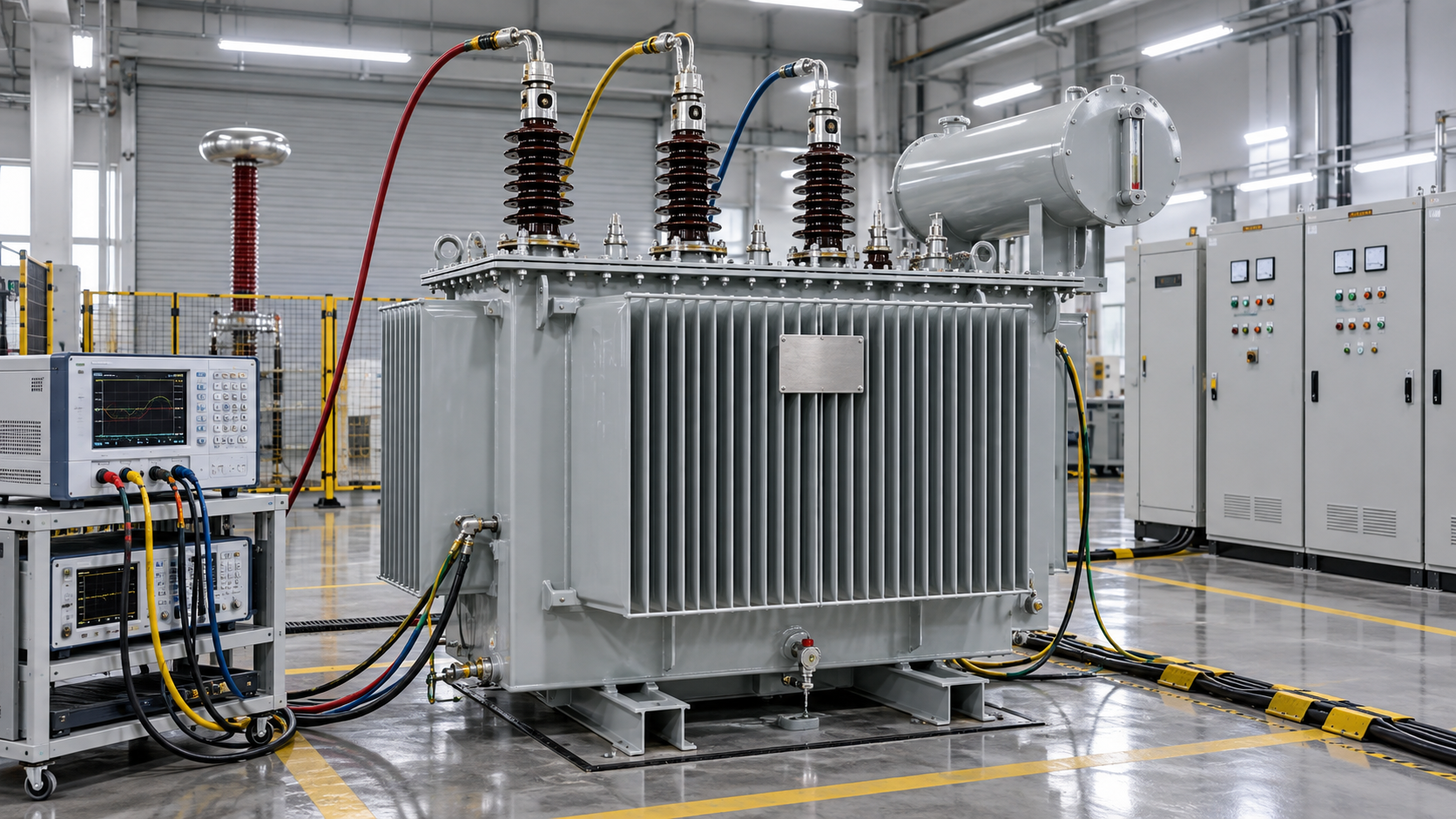
 Distribution Transformer Efficiency Regulation Updates: Compliance Steps for UtilitiesDistribution transformer energy efficiency regulation update: learn practical compliance steps, loss-test requirements, and procurement controls for utilities.
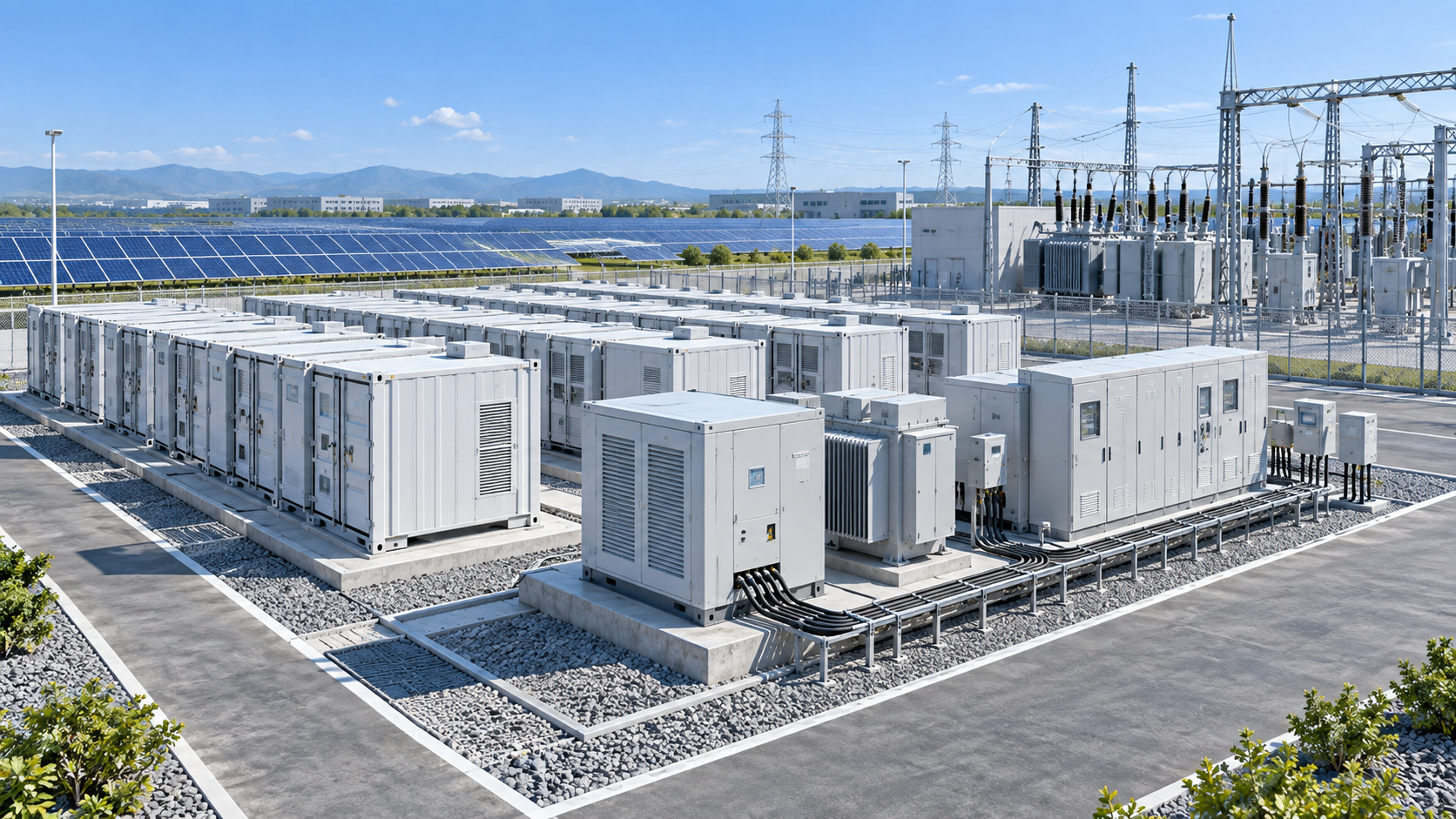
 What Drives Battery Energy Management System Costs in BESS Projects?Battery energy management systems cost depends on controls, integration, grid compliance, cybersecurity, and lifecycle support. Learn how to evaluate BESS EMS proposals wisely.
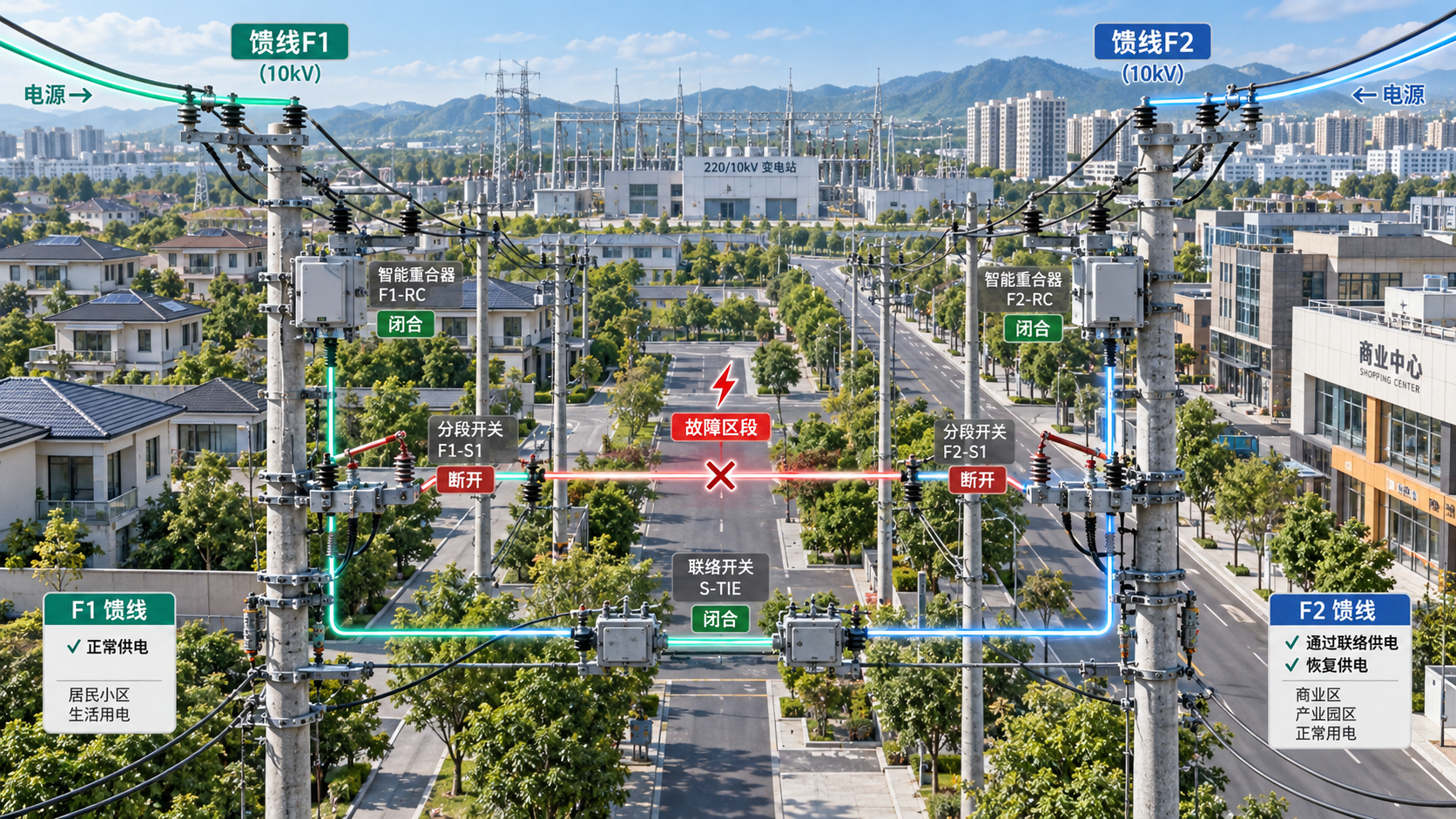
 What Is Feeder Automation and How Does It Reduce Outages on Distribution Grids?Feeder automation helps utilities isolate faults, restore healthy sections faster, and reduce distribution grid outages. Explore how FLISR improves reliability.
 How to Evaluate Wind Turbine Blades for Fatigue Life, Erosion, and Site LoadsWind turbine blades: learn how to assess fatigue life, leading-edge erosion, lightning exposure, and site-specific loads to improve reliability, energy yield, and lifecycle decisions.

Global Energy Policy & Sourcing
- Distribution Transformer Efficiency Regulation Updates: Compliance Steps for UtilitiesSep 27, 2026Distribution transformer energy efficiency regulation update: learn practical compliance steps, loss-test requirements, and procurement controls for utilities.
- EU Grid Code Compliance for Solar and BESS Projects: Key Tests and RequirementsSep 12, 2026Grid code compliance Europe for solar and BESS projects: discover essential voltage, frequency, ride-through, protection, telemetry and testing requirements for faster connection approval.
- Key Technical Parameters That Determine Steam Turbine Suitability for Industrial Cogeneration ProjectsSep 11, 2026steam turbine supplier? Discover the 5 critical technical parameters—exhaust pressure, steam quality tolerance, part-load efficiency & more—that truly determine suitability for industrial cogeneration projects.
Wind Power Components
- How to Evaluate Wind Turbine Blades for Fatigue Life, Erosion, and Site LoadsSep 24, 2026Wind turbine blades: learn how to assess fatigue life, leading-edge erosion, lightning exposure, and site-specific loads to improve reliability, energy yield, and lifecycle decisions.
- Inside a Wind Turbine Nacelle: How Drivetrain Layout Affects Maintenance AccessSep 10, 2026Explore how drivetrain layout inside the nacelle of wind turbine shapes maintenance access, lifting routes, safety, and lifecycle service costs.
- What is shaping the wind turbine nacelle market today?Aug 31, 2026Wind turbine nacelle market trends: explore turbine scaling, drivetrain choices, reliability, grid compliance, localization, and offshore supply risks shaping smarter investment decisions.
Smart Grid Technologies
- What Is Feeder Automation and How Does It Reduce Outages on Distribution Grids?Sep 25, 2026Feeder automation helps utilities isolate faults, restore healthy sections faster, and reduce distribution grid outages. Explore how FLISR improves reliability.
- What Renewable Integration Studies Should Model Before a Grid Connection DecisionSep 23, 2026Renewable integration studies reveal grid connection risks before approval—from voltage and protection to curtailment, dynamic stability, and future network constraints.
- Utility Resilience Planning: How to Prioritize Grid Investments for Extreme WeatherSep 21, 2026Utility companies resilience planning: learn how to prioritize grid investments for extreme weather, protect critical services, speed restoration, and build a stronger, smarter energy network.
EV Charging Infrastructure
- How to Size DC EV Charging Equipment for Fleet Depots and Peak DemandSep 20, 2026DC EV charging equipment sizing guide for fleet depots: balance energy demand, peak loads, utility limits, smart charging, and scalable growth.
- Public Charging Infrastructure Planning: Site Criteria, Grid Capacity, and UtilizationSep 13, 2026Public charging infrastructure planning made practical: evaluate site access, grid capacity, utilization, and scalable design to build reliable, investable EV charging hubs.
- How Behind-the-Meter Energy Systems for EV Charging Cut Peak-Demand CostsSep 05, 2026Behind the meter energy systems for EV charging help cut peak-demand costs, defer grid upgrades, and improve charging reliability with storage and smart controls.
Energy Storage Systems / BESS
- What Drives Battery Energy Management System Costs in BESS Projects?Sep 26, 2026Battery energy management systems cost depends on controls, integration, grid compliance, cybersecurity, and lifecycle support. Learn how to evaluate BESS EMS proposals wisely.
- How to Size a Commercial Microgrid Battery System for Peak Shaving and Backup PowerSep 19, 2026Commercial microgrid battery system sizing guide for peak shaving and backup power—optimize kW, kWh, reserve SOC, controls, and resilience.
- How to Select a Battery Storage EPC Partner for Utility-Scale Projects in EuropeSep 18, 2026Battery storage EPC Europe: choose the right utility-scale partner with proven grid expertise, safety leadership, supply-chain control, and reliable commissioning.